Stabilize, modernize, and scale the software your business depends on.
Founders and technology leaders bring Danubio in when a live product needs stronger engineering: when performance, reliability, or cost have drifted, and the team has to keep shipping while it gets fixed.
Why teams bring Danubio in
Three moments where an existing product is starting to block progress and a senior engineering partner moves the needle most.
The first foundations are starting to push back.
A fast first build, often AI-assisted, proved the product and brought in customers, but the structure underneath was never meant to carry growth. Senior engineering maps what to rebuild and what to keep, and ships the new foundation without stopping delivery.
Performance, data, or reliability is blocking growth.
Pages that used to feel snappy now lag. Queries that worked at ten thousand rows time out at two million. The infrastructure bill climbs faster than usage, and the same incidents keep coming back. Senior engineering makes the system work like it did before.
Modernization has to happen while the roadmap keeps moving.
A re-platform that stops the roadmap is not an option. Each new feature reaches further than expected and the codebase has grown faster than the practices around it. Senior engineering modernizes feature by feature, inside the live system, while the roadmap keeps moving.
Real-time KPIs for a 400,000-user CRM, end to end.
One of the hardest live-systems engagements we have shipped: a CDC pipeline observing a CRM that could not be modified, per-KPI streaming enrichment, and a score that stays consistent across four rollup scopes, all built into a product that stayed up the whole time.
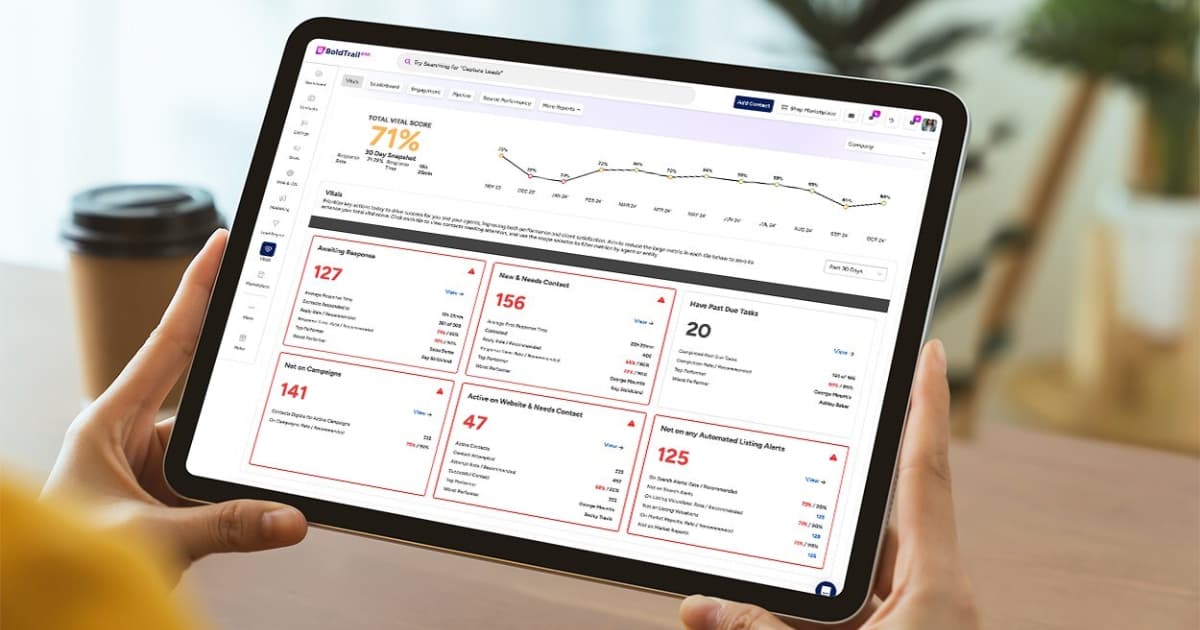
The Vitals scoreboard. Eight KPIs, one score, four scopes, near-real-time.
A real-time analytics dashboard handling 20,000 events per second across 400,000 users.
Inside Real Estate launched Vitals, a daily performance dashboard for every brokerage on the CRM. Danubio designed and built the real-time pipeline behind it end-to-end: Debezium reading MongoDB into Kafka, per-KPI streaming enrichment, and a score that stays transactionally consistent across Company, Office, Team, and Agent rollups.
Read case studyWhat does Danubio take on in a live product?
Senior engineers walk the architecture, data model, and core flows against how the team actually ships, name what is brittle, and put real foundations in place before the modernization or scale work begins.
Stabilize the product foundation
Take real engineering ownership of an existing product. Walk the architecture, data model, and core flows against how the team actually ships, name what is brittle, and put the foundations in place (boundaries, tests where it matters, predictable deploys, observability) so the next year of work is easier than the last.
- Architecture and code review against how the product is actually used
- Boundaries, contracts, and seams where the team works most
- Tests, CI, and predictable deploys where they pay back
- Observability the team can use to keep the system healthy
Improve performance, data, and reliability
Page loads, list views, dashboards, queries, background jobs, the failure modes that surface as the product grows. Profiled under production traffic, tuned where the time and the incidents actually are, with database optimization treated as a first-class part of the work.
- Profiling slow pages and lists down to the line of code
- Database optimization: schema, indexes, query plans, replicas, partitioning
- Reliability controls: timeouts, retries, idempotency, tenant isolation
- Real-time and streaming pipelines (CDC, Kafka) when the workload needs them
Modernize without disrupting the live product
Replace what needs to be replaced, feature by feature, inside the running product. New technology introduced through real surfaces the team is already shipping, brittle subsystems retired without a re-platform window, and a path the rest of the modernization can keep walking.
- New tech introduced through real, shippable features
- Brittle subsystems replaced one boundary at a time
- Frontend and backend modernization that keeps the roadmap moving
- No big-bang rewrites, no cutover days, no broken clients
Reduce runtime cost and scaling risk
Cloud bills, instance counts, container memory, transfer costs, hot tables, single-writer paths, replication lag, queue depth. The places the runtime spends more than it should and the places the next scale step would break, walked alongside the application code that drives them.
- Cloud cost analysis and right-sizing across AWS, Azure, GCP
- Container, runtime, and JVM tuning that affects the bill
- Capacity modeling for the next scale step before the traffic lands
- Per-tenant cost visibility and budget guardrails
From a first project to a long-term engagement.
Engagements start with a first project focused on stabilization, ship the first improvements, and grow into long-term engineering work as trust and context build.
First project: stabilization scope
A defined first engagement around the part of the system that matters most: an architecture and risk read, a stabilization plan, and the foundations the next round of work will rest on. Real ownership from the first week, in the parts the team agrees to hand over.
First improvements that reduce risk or unblock delivery
The work that pays back first: the bottlenecks that are slowing delivery now, the failure modes that keep coming back, the data and performance issues that already cost money. Shipped inside the live product, with the team that owns it next to us.
Continued product work
Stabilization runs in parallel with new product work. New features land on the strengthened parts of the system, modernization moves feature by feature, and the roadmap keeps moving instead of pausing for a re-platform.
A long-term engagement
The engineers who learned the system stay close to it. The relationship continues as an ongoing engineering partner: ownership of the parts that matter, continuity through the next chapters of the product, and senior engineering judgment available when the team needs it.
Two more live systems where the engineering had to land underneath the product.
A multi-tenant platform rebuilt under live traffic, and a legacy product modernized feature by feature without taking the rest offline. Different systems, same kind of work: strengthening what the product depends on while it keeps running.
Trusted with live platforms. Modernization without stopping delivery. Rock solid in the parts we own.
Engagements start with a first project shaped around what the system needs most: a stabilization phase, a performance or reliability fix, a platform migration, or a scale push. The same engineers stay with the work as it grows into long-term engineering work. The code stays with your team from day one.
Trusted with live platforms.
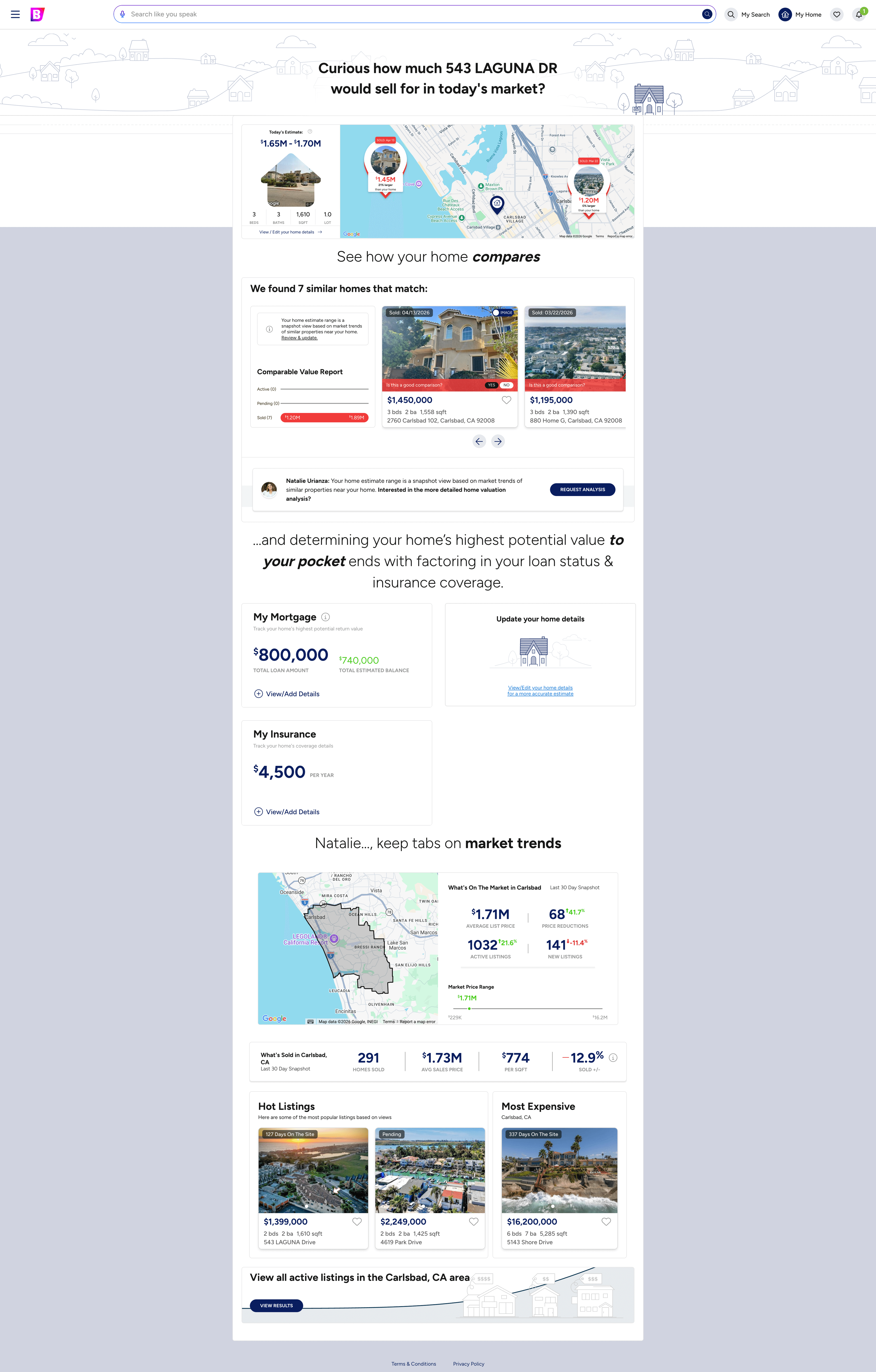
Inside Real Estate handed Danubio the rebuild of CORE Home while the platform was already serving pilot brokerages. The work moved tenant by tenant onto a stronger foundation, with no cutover and no broken clients. The same platform now carries 5,000+ tenants and 2M+ homeowners across web and mobile.
Over the years Danubio has become the partner we turn to when the work is critical and there's no margin for error. CORE Home was exactly that. They rebuilt the platform underneath the running product without taking a single tenant offline. The kind of team you wish you'd had from the start.


Modernization that lands without stopping delivery.
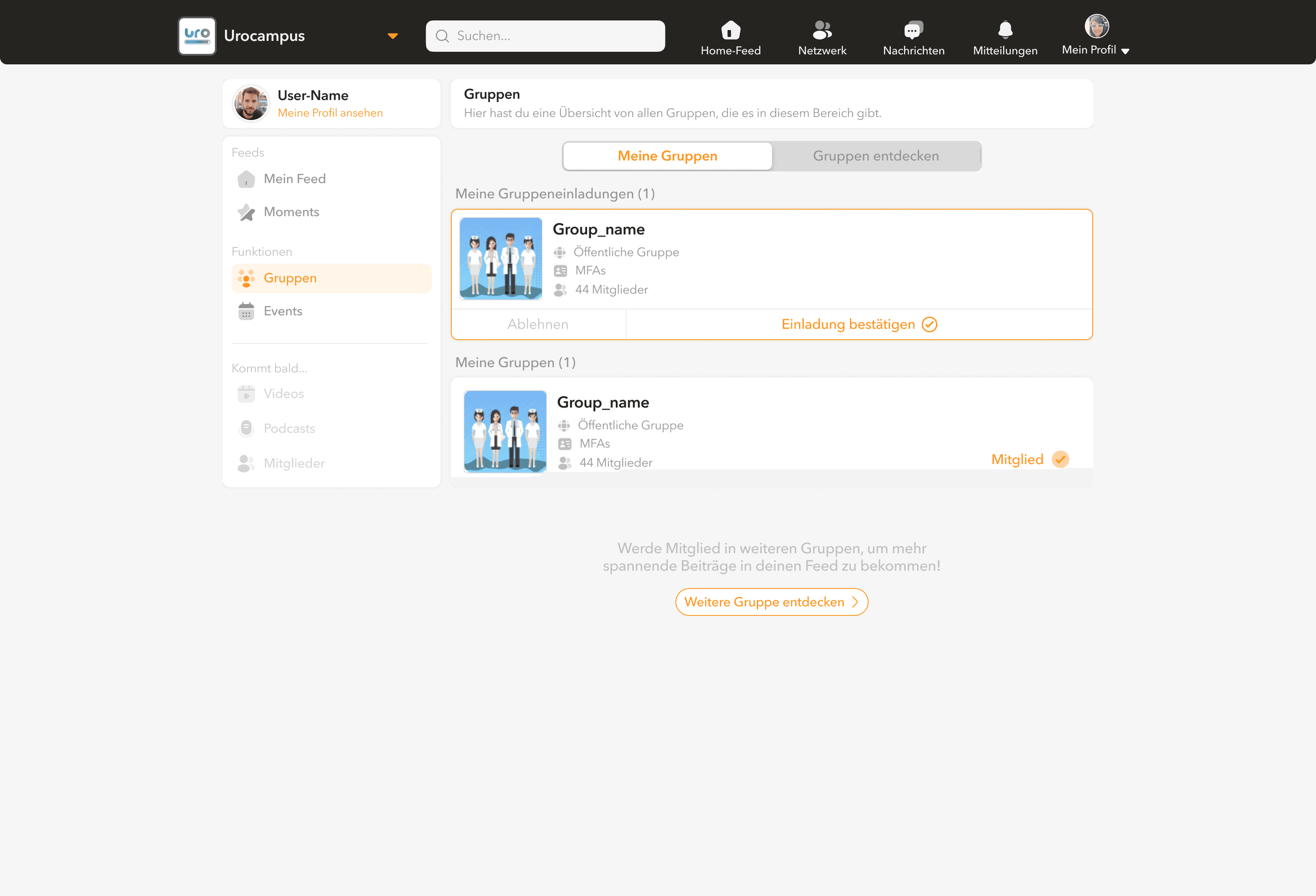
Curawork could not stop shipping while their PHP and JavaScript stack had React added underneath it. Danubio shipped a fully integrated social feature inside the existing shell, kept the rest of the platform running, and laid the path for the modernization to continue without a re-platform window.
Danubio was highly professional and responsive. The code quality was excellent. The new feature not only met our expectations visually, but also delivered strong user engagement. Their work laid the foundation for future improvements, and we are excited to continue working with them.


Rock solid in the parts we own.
When the work is keeping an existing system stable while it improves, the partner cannot themselves be a source of risk. Danubio runs the parts the team hands us, communicates without prompting, and stays close to the system long enough that the people running everything else can focus there.
I ran a web development consultancy for 11+ years, so I'm familiar with the trials and tribulations that can strike a project at any time. I can say, without a doubt, that Danubio will help you deal with any issue that comes up, and the one thing you won't have to worry about is that issue being with your developer. They're rock solid.

Modernization runs through these surfaces.
A live product that needs stronger engineering ownership usually means stabilizing the web or mobile surface, often while AI workflows are added on top.
Modernizing a live product, answered
Can you modernize a live product without taking it offline?
Yes, and it is the core of this work. Danubio modernizes live products incrementally under real traffic: preserve the existing contracts so nothing downstream breaks, run the new and old paths in parallel, verify the new path against the old, and cut over in small reversible steps. There is no maintenance window and no big-bang rewrite that asks the business to stop and wait. On the CORE Home rebuild, the platform was rebuilt underneath a running product and brokerages were migrated one tenant at a time, with no downtime and no broken clients, while the system kept serving customers throughout. The same approach applies to a database migration, a service extraction, or a framework upgrade: change the engine while the product keeps running.
How do you take over a codebase your team did not write?
Danubio takes over an unfamiliar codebase by first understanding how the system actually behaves in production: where the load falls, what the data looks like and where it has drifted out of shape, which paths are fragile, and what the business depends on day to day. Reading the source matters, but the running system tells the real story. The first changes are then deliberately small and reversible, chosen to be safe, so the team builds genuine confidence in the system and you build confidence in Danubio before anything risky happens. Observability and tests come early, because changing what you cannot see is how live products break. By the time the larger work begins, the engineers doing it understand the system behavior and its failure modes, which is what makes those changes safe.
Where does a stabilization or modernization engagement usually start?
A stabilization or modernization engagement usually starts with the constraint costing you the most right now. That is often a performance ceiling the product keeps hitting, a reliability or data-integrity problem that erodes trust, infrastructure cost that has grown faster than revenue, or an architecture that has started to block the roadmap so every change takes too long. Danubio scopes a focused first piece around that single constraint, gets it into production, and measures the result, so the value is concrete before the work expands. Starting narrow is deliberate: it delivers a real improvement quickly, and it lets both sides learn the system and each other on something bounded before taking on more. From there the engagement grows to the next most pressing constraint.
Can you do this while our team keeps shipping the roadmap?
Yes. Most stabilization and modernization work happens on products that cannot pause, so it is designed to run while your team keeps shipping the roadmap. Danubio coordinates directly with your delivery process, sequencing the foundational work so it lands in small steps that do not collide with feature releases, and using parallel paths and feature flags so changes roll out safely alongside everything else in flight. The business keeps moving while the engineering underneath it gets stronger. Freezing the roadmap for a long rewrite is exactly the outcome this work is meant to avoid, because a product that stops evolving in order to be modernized usually loses more ground than it gains.
What kinds of problems is this for?
This work is for products that function but whose engineering has started to hold the business back. The common cases are performance and latency that have drifted as usage grew, reliability and data-integrity issues that surface under load, scaling limits the current architecture cannot pass, infrastructure cost rising faster than the product can justify, and aging architecture that makes every new change slow and risky. Often several of these arrive together, because they share a root cause in decisions that were reasonable early on and no longer fit the size the product reached. If the product still works for customers but shipping has become slow, expensive, or nerve-wracking for the team, that is the signal this engagement is built for.
Do you stay on after the immediate problem is fixed?
Often, yes. Many stabilization and modernization engagements start as a focused fix and grow into a long-term partnership, with the same engineers who learned the system staying close to it as it keeps evolving. That continuity is deliberate and valuable: the hard-won context about why the system behaves as it does, where the sharp edges are, and which tradeoffs were made stays with the people doing the work instead of being lost in a handoff. Some clients keep Danubio on for ongoing ownership of the platform; others bring the work fully in-house once the foundation is solid, with Danubio setting up the codebase, tests, and documentation so that transition is clean. Both are normal outcomes, and the engagement is scoped to support either.
Deeper on this work
An existing product that needs to keep moving?
If your product is live, the team is real, and the existing software is starting to slow the business down, we can talk through it.