Senior engineering, for products
that matter.
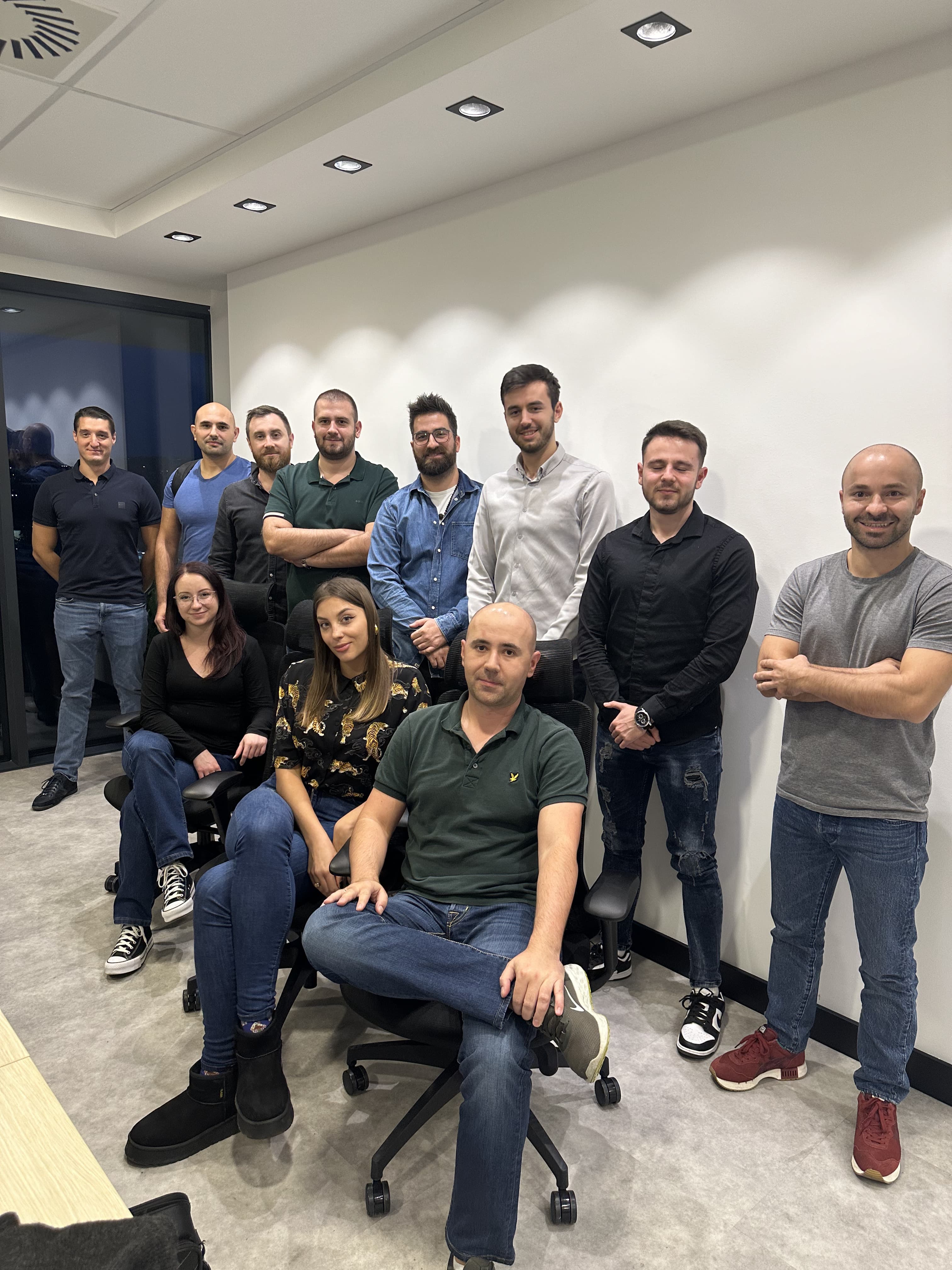
Danubio is a small, engineering-led team in Belgrade. The work is product engineering on real software with real users, on engagements that run for years.
- Location
- Belgrade, hybrid
- Founded
- 2018
- Engineers
- 16
- Avg partnership
- 5+ years
Danubio was built to be a place worth staying: senior engineers running the technical decisions, close to the product, close to the client, on work that holds up.
We hire slowly and stay small on purpose. The people who join end up on long-running engagements that matter, growing on the same work instead of cycling through projects every few months.
If that sounds like the kind of place you'd want to be, we'd like to hear from you, even if nothing on the page matches today.
For the team,

Draco
Mascot, Danubio
Meet Draco
Our values aren't just words, they have a face (and wings). Meet Draco. Draco shows what we believe in, every core value, made real and relatable.

Integrity
We communicate directly, give honest assessments, and raise problems early. Clear expectations, accountability, and initiative matter more than telling people what they want to hear.

Expertise
Senior by default. We bring deep technical judgment to architecture, delivery, and long-term product thinking, always looking for better approaches and keeping the bigger picture in view.

Continuity
Engineers grow with Danubio over years, doing the best work of their careers on the same products. That continuity carries straight into client relationships: the team that learned the codebase stays with it, through acquisitions, rewrites, and platform shifts.
A small team doing real product engineering.
Engineers who join Danubio stay. The work is long-running, the decisions stay close to the people doing them, and the standard for what good means is set internally rather than borrowed.
Long-running products with real users
Engagements at Danubio run for years. You stay with the same product as it grows from launch into scale, and you see the consequences of your decisions land in production with real users and real numbers.
Engineers run the technical decisions
Architecture, tradeoffs, and direction are owned by the engineers doing the work. No layers of project management between you and the people responsible for the product.
You stay close to the client
Engineers talk to clients directly, explain tradeoffs, and own the outcomes. The work is more interesting because the context is real, and the relationships are genuine.
Feels like a product company from the inside
Same product, same codebase, same teammates over time. Context compounds. Quality compounds. You ship things you keep caring about.
“I joined Danubio about as fast as the offer could reach me. The call came from someone I'd worked with before, putting a team together from faces he already knew. I knew the kind of work and the kind of bar that meant. Years in, the thing that still surprises people is how much room engineers actually have to shape the technical direction. That part isn't marketing copy.”
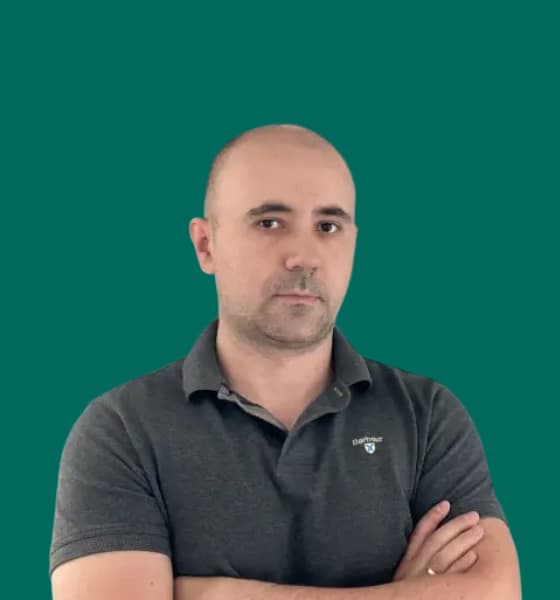
Simo Simeunovic
Director, Backend & Systems
Four steps, run by engineers.
The whole process is run by engineers. No HR-driven loops, no trick questions, no whiteboarding leetcode.
A 30 to 45 minute conversation with engineering. We talk about your background, recent projects, and the kind of work we do. You get to ask anything you'd want to know before going further: how engagements run, the technical bar, the shape of the day-to-day.
A focused exercise you can do on your own time, sized so a strong candidate can finish in a few hours, not a weekend. The problem is product-shaped: a small spec or partial codebase where you decide how to model it, ship something working, and write a short note on what you would change with more time. We read every submission and reply with substance.
An hour working with one of our engineers on a real-feeling problem. The shape is similar to the take-home but in conversation: you read code that exists, decide what to change, and write it alongside someone who will challenge a choice without dictating one. The point is how you think and collaborate, not whether you remember a specific API.
A conversation about a system, walked through together. We pick a domain you already understand (often something from your CV) and design it end to end: model, data flow, failure modes, scale. You drive the design, we ask the questions. It's the closest signal to what working here actually feels like.
What you'd actually get.
Compensation, growth, time off, and the small things that make a team feel like one.
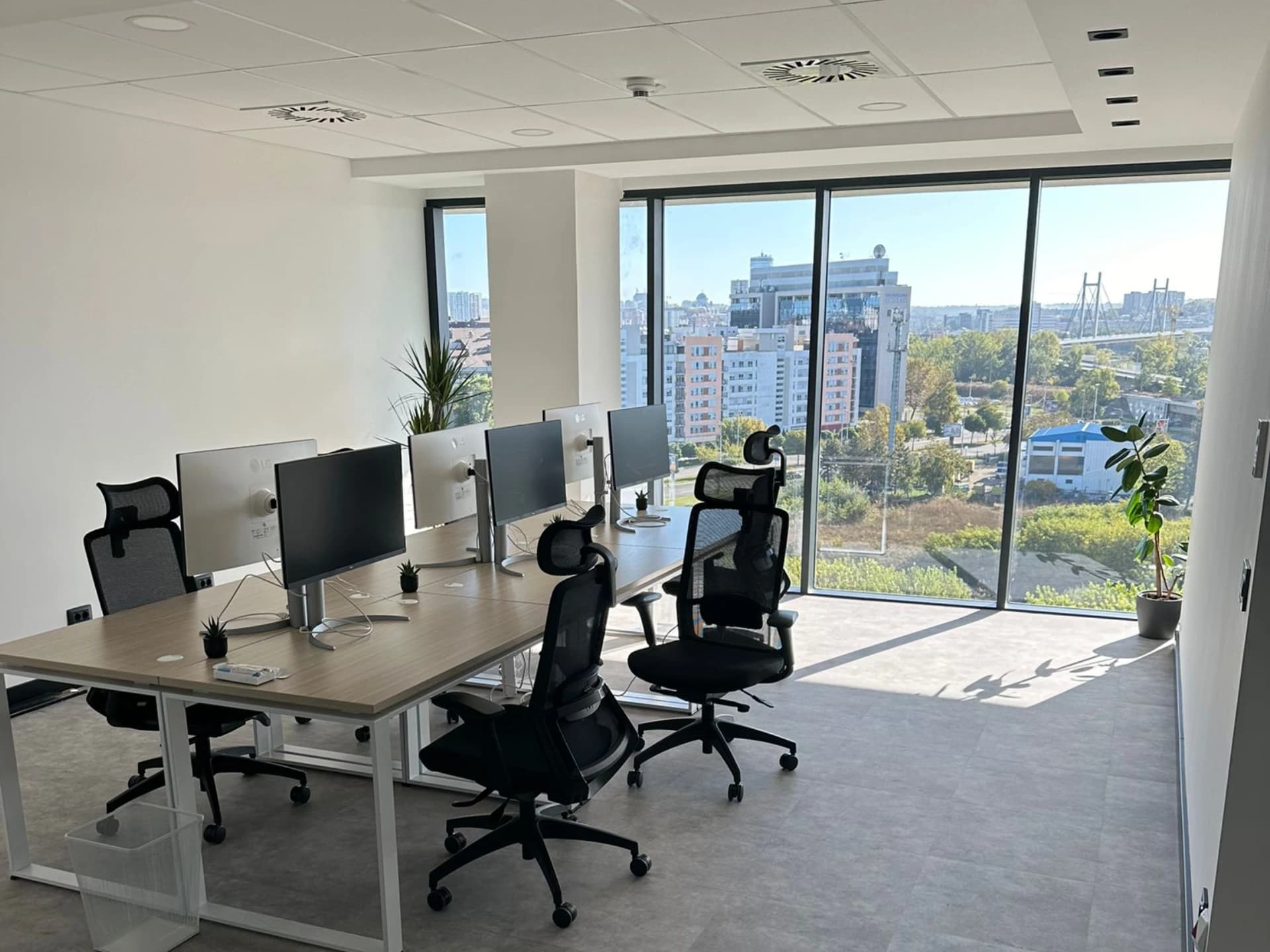
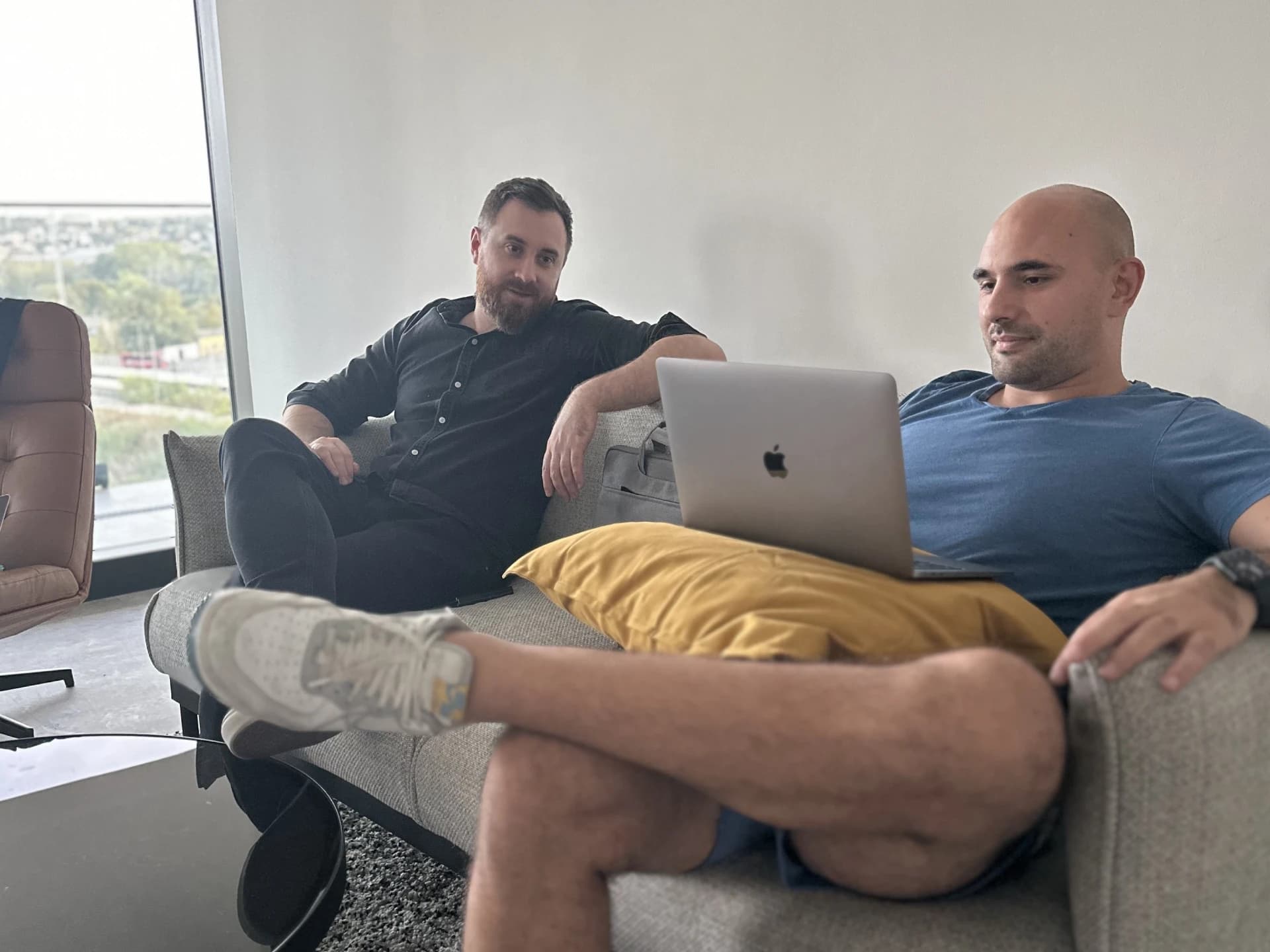
Hybrid in Belgrade
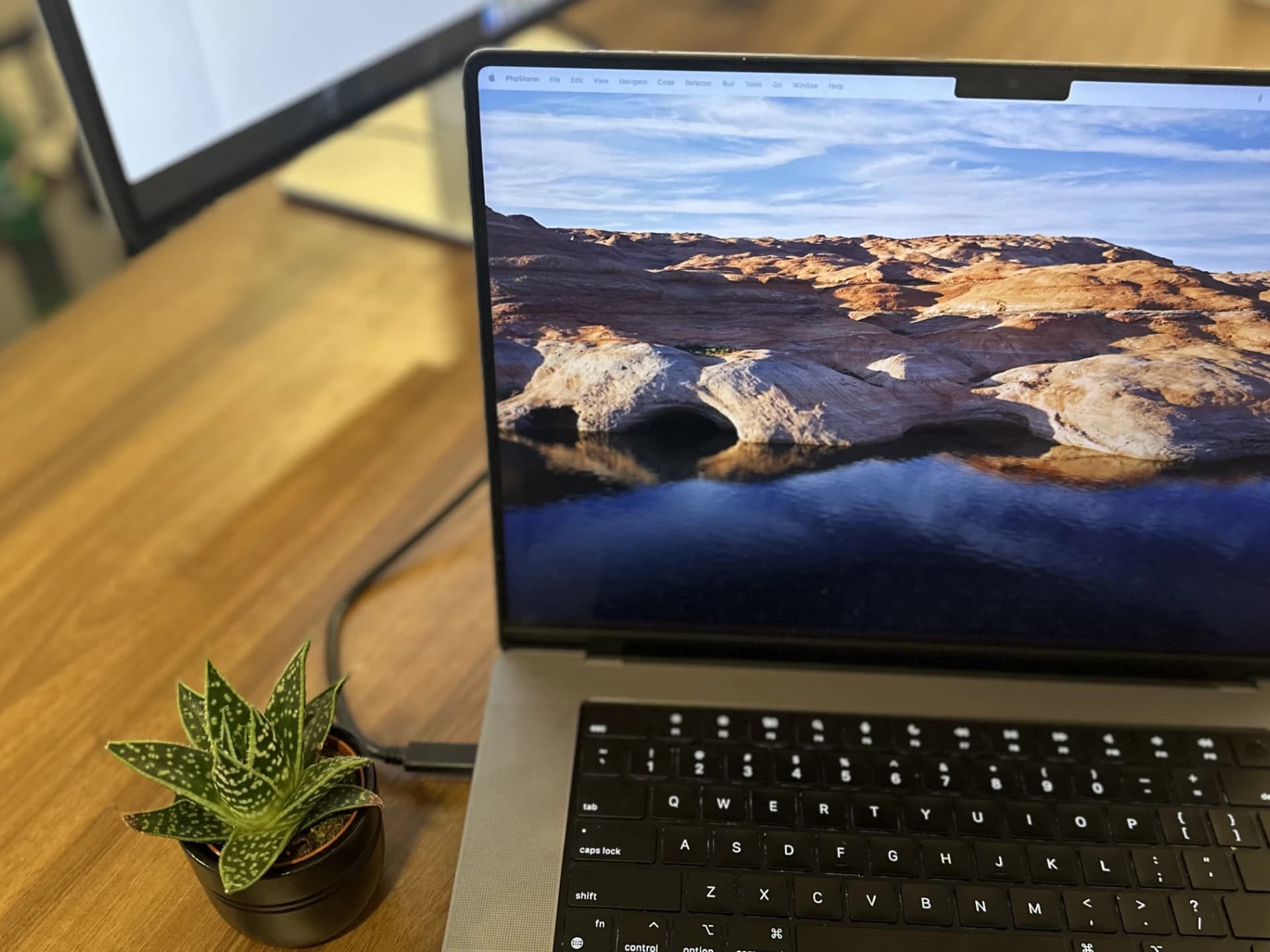
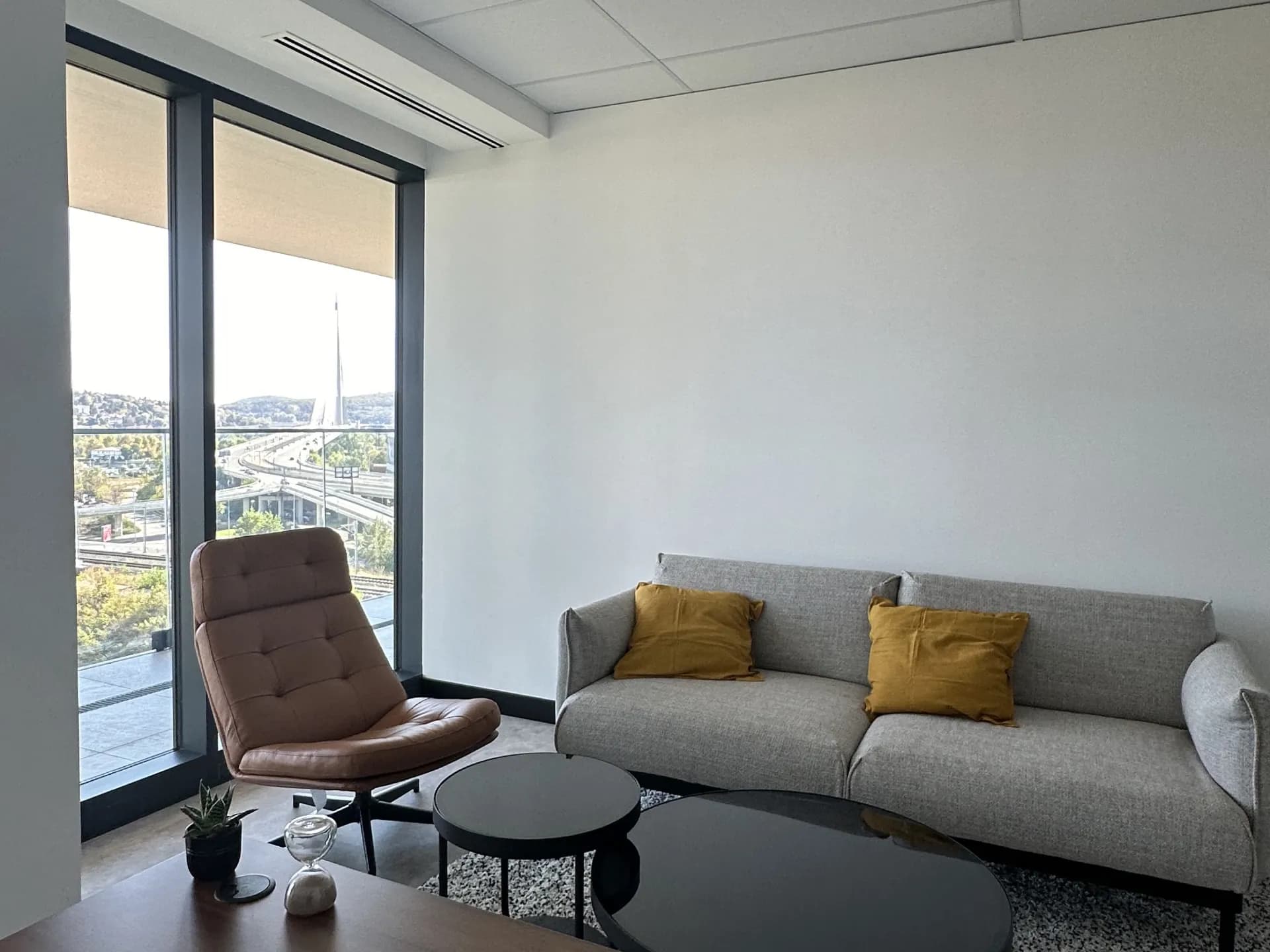
Our team is in Belgrade, working on a hybrid model with regular time together in the office.
Competitive compensation
We pay well for the level of work we ask for, with yearly performance bonuses tied to how the company is doing.
Real growth budget
Conference budget, paid study time, internal tech talks, and mentorship from senior engineers who actually want to teach.
Health and time off
Private health insurance and 22 days of paid leave.
Things that keep it human
Team dinners, occasional trips, and the small rituals of a team that actually likes working together.
Where we're hiring right now.
We're always open to good people
If nothing here matches today and you'd still want to work with this kind of team, send your CV anyway. We read every one and get back to candidates who are a real fit.
If this sounds like your kind of team, we'd like to hear from you.
Whether you're answering an open role or introducing yourself for later, the inbox goes to engineers, not a recruiter funnel.