Laravel development for products that matter.
Danubio builds, launches, scales, and evolves Laravel applications. From the first commit on a new product to the migrations, modernization, and integrations that keep older codebases moving years later.
One team, across new builds, modernization, and the years after.
What Laravel is good at.
Laravel is a full backend framework with strong defaults for the work most web products actually do. These are the project shapes where Danubio reaches for it.
Web applications, end to end.
Marketplaces, SaaS, internal tools, dashboards, content-heavy systems. Laravel's defaults around routing, ORM, queues, caching, and scheduling cover most of what these systems need on day one, so the team spends time on product, not plumbing.
Velocity without sacrificing depth.
Laravel applications built well sit comfortably in the tens-of-milliseconds range and ship features fast. The framework is opinionated where it should be and unopinionated where it should be, which keeps both new builds and seasoned codebases moving.
Codebases that age well.
Laravel and PHP move forward with semver discipline, LTS releases, and conservative breaking changes. A codebase written today is still recognizable five years from now and still upgradeable in small, predictable steps.
Batteries-included for production.
Queues, scheduling, broadcasting, file handling, mail, authentication, and authorization arrive in the box. Horizon, Octane, Pulse, Telescope, and Filament extend that production envelope without third-party assembly.
The products Danubio builds with Laravel.
The kinds of products Laravel is most at home with, drawn from the work we ship.
B2B and vertical SaaS.
Software designed around the workflows of a specific industry. Multi-tenant where it makes sense, with the compliance, terminology, and integrations of the domain baked in. PropTech, FinTech, and Healthcare.
Marketplaces and transactional platforms.
Two-sided systems with listings, transactions, payments, ratings, and fraud controls. Peer-to-peer exchanges, vertical marketplaces, and booking platforms. Business logic and operational backstop in one codebase.
Operations and back-office systems.
The software a company itself runs on. Internal dashboards, fulfillment workflows, role-based access, audit trails, and reporting. Often consolidates a spreadsheet, a Notion doc, and three Slack channels into one place.
Customer portals and self-service products.
Account-based interfaces for end customers. Billing, document handling, ticketing, request workflows, and communication. The polished surface on whatever the back office runs internally.
What Danubio has shipped in Laravel.
A cross-section of greenfield builds, rebuilds, scaling work, version migrations, modernization, and integrations across the rest of the stack.
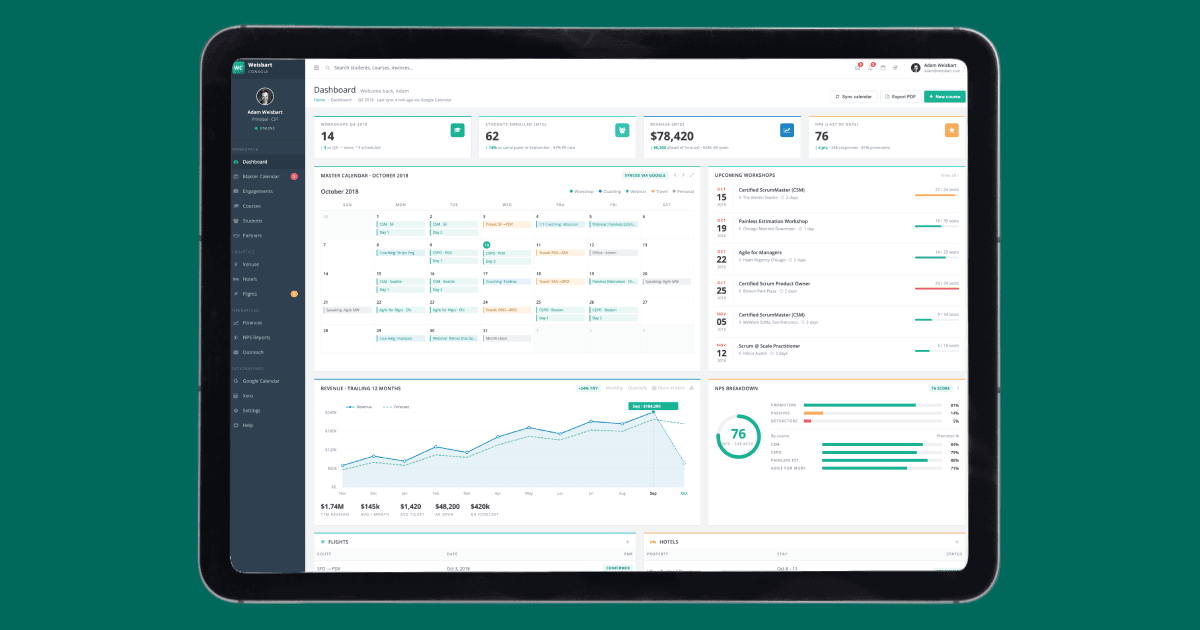
A custom back-office for a one-person training consultancy
Adam Weisbart ran a global Scrum training practice as a sole operator. Danubio built him a custom console where calendars, students, finances, travel, and feedback all lived in one place. He used it daily from 2018 to 2023.
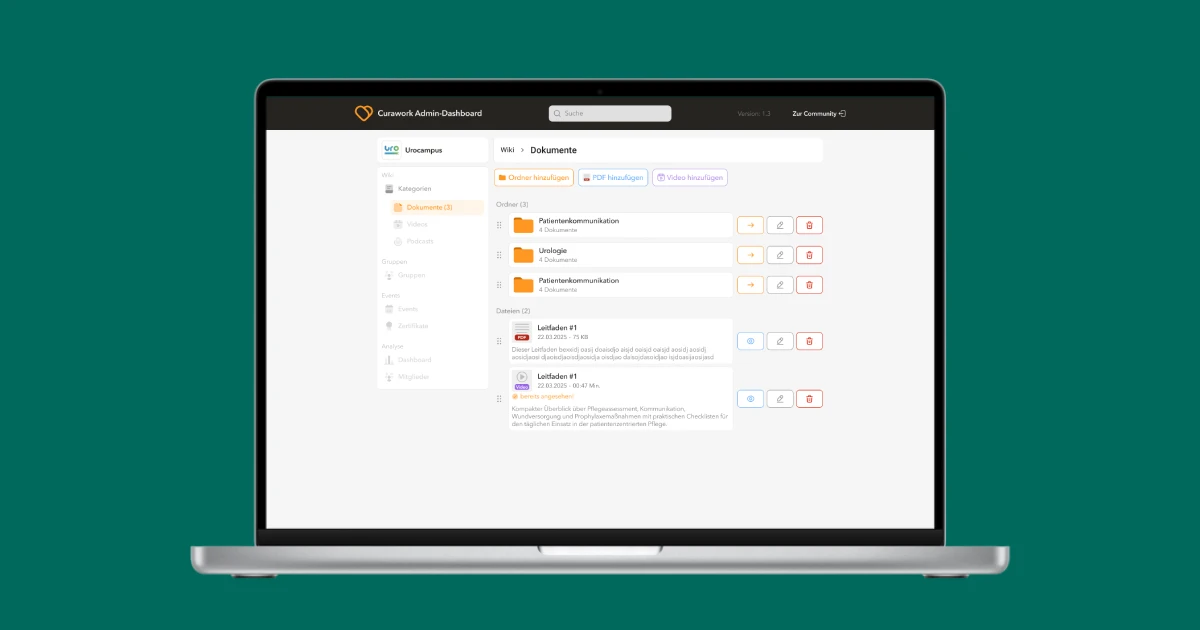
Legacy Code to React: A Feature-Led Approach
How we introduced React into a legacy PHP/JS stack by delivering a fully integrated, high-engagement social feature, laying the groundwork for future modernization without disrupting the existing platform.
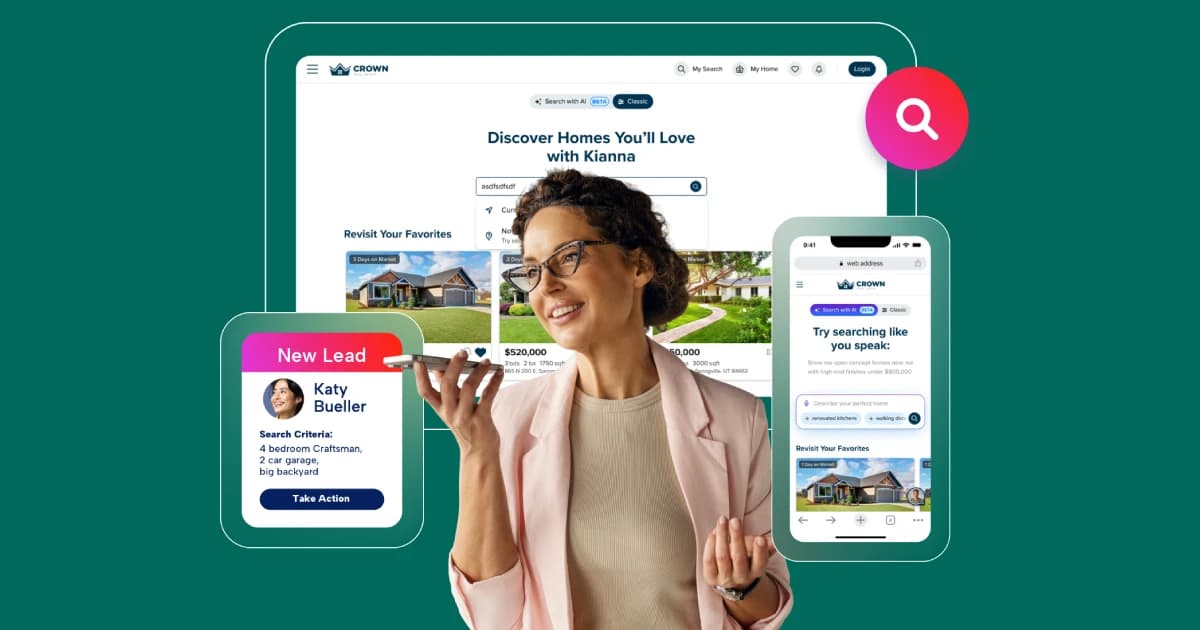
Rebuilding a live multi-tenant platform without downtime
CORE Home was live with pilot brokerages when Danubio took ownership of the stack. The rebuild migrated tenants one at a time onto a stronger foundation, with no cutover and no broken clients. The same platform now carries 5,000+ tenants across web and mobile.
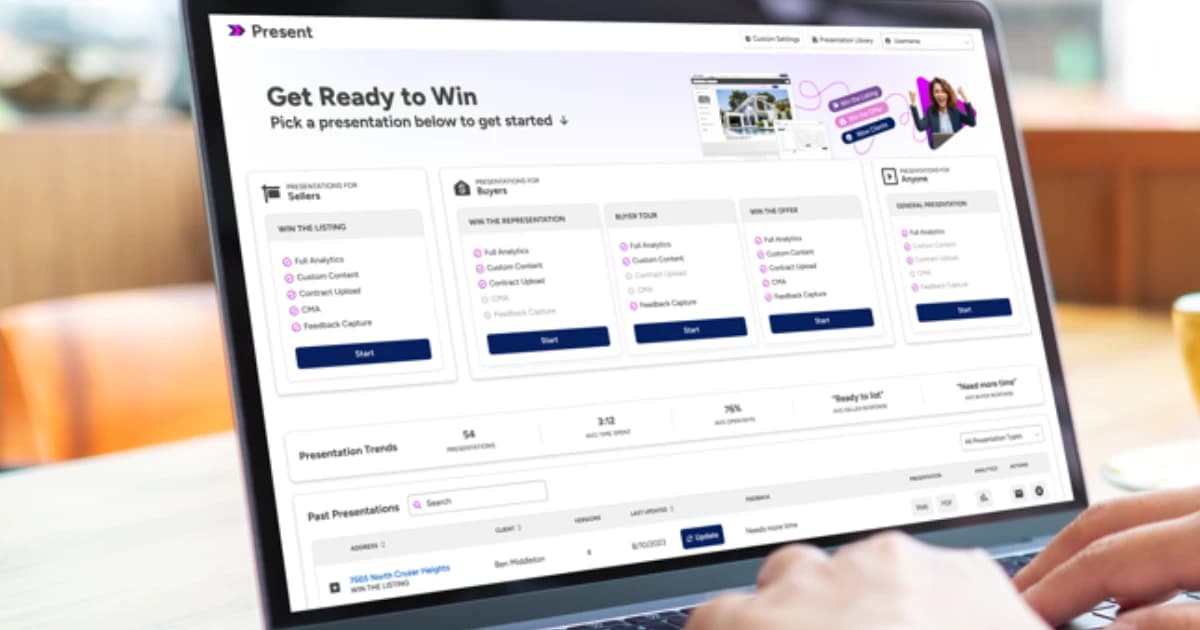
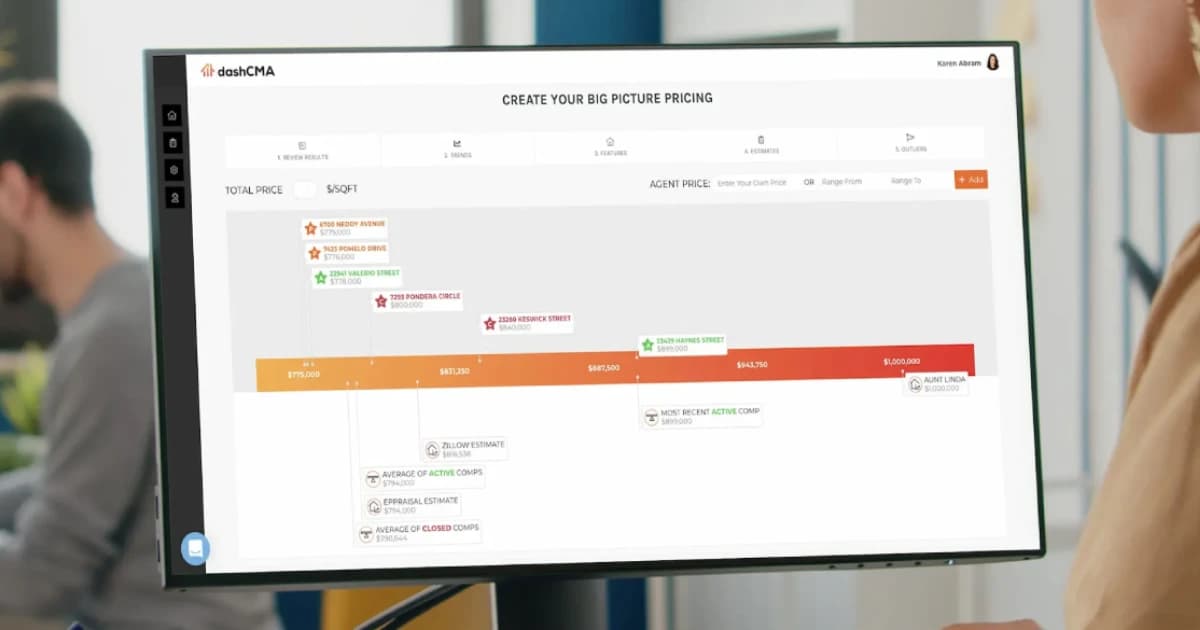
Scaling an acquired SaaS to 350K enterprise users
Inside Real Estate acquired dashCMA in 2020 and kept Danubio on as the engineering team. Five years and 1M+ presentations later, the product is used across major national brokerages, including RE/MAX, eXp, and Berkshire Hathaway HomeServices.
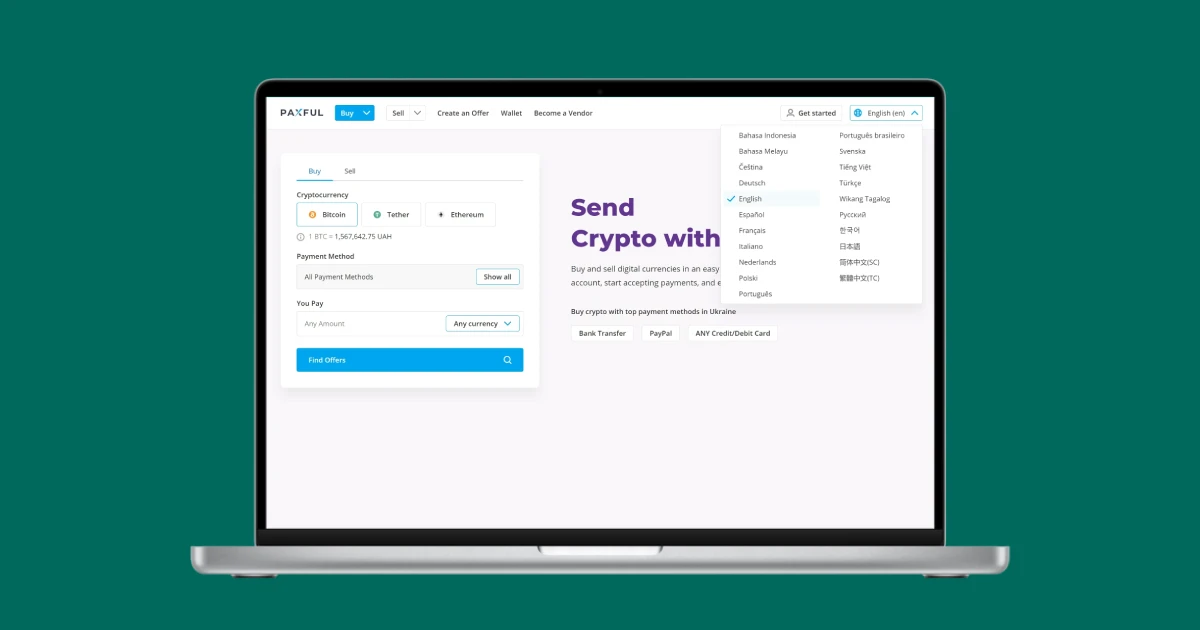
Internationalizing a crypto marketplace to 40+ languages
Paxful was a peer-to-peer crypto marketplace operating globally. Over two years, Danubio built its localization layer - externalization, locale-aware formatting, RTL, and a Crowdin-backed release pipeline - that took the platform to 40+ languages.
From a founder’s vision to acquisition in 18 months
How a founder-led PropTech product moved from first build to acquisition, with Danubio acting as the engineering team behind the product.
Current with the modern Laravel ecosystem, not just the framework.
What the engagements actually use, end to end. Versions track current; we work on the latest stable Laravel and PHP releases and keep older codebases moving toward them.
Application core
- Laravel 11, 12, 13
- PHP 8.3 / 8.4 / 8.5
- Eloquent and query builder
- Pest and PHPUnit
- Pint and PHPStan
Frontend bridges
- Inertia.js
- Livewire
- Filament admin panels
- Blade templates
- React and Vue front ends
Async and scale
- Laravel Octane
- Horizon for queues
- Reverb and broadcasting
- Scheduled jobs and batching
- Redis-backed caching
Operations
- Forge, Vapor, Envoyer
- AWS deployments
- Pulse and Telescope
- Sanctum and Passport
- Observability with OpenTelemetry
The way Danubio approaches Laravel work.
Principles that shape every Laravel engagement, drawn from the work the team has shipped.
Senior-led, every engagement.
The engineers writing Laravel for a Danubio client are the engineers who have shipped Laravel into production for years. No training-on-the-job at the client's expense, and no framework conventions guessed at as we go.
Production-first thinking.
The default assumption is that the system is already live, has users, and cannot be paused. Migrations, refactors, and rollouts are designed around that constraint from day one.
Measure before refactoring.
Performance and architectural decisions are anchored to real production data. Query plans, profiles, traces, and traffic patterns come before opinions about what is slow.
Ship behind feature flags.
Risky changes go out behind toggles so we can roll forward and back without redeploys, and so the client can verify in production before fully committing.
Tests as a ratchet.
Pest or PHPUnit coverage on every change, with the bar going up over the course of the engagement. Code that ships with tests stays shipped.
Laravel, answered
What kind of products is Laravel a good fit for?
Laravel suits product backends and admin-heavy applications: SaaS APIs, multi-tenant control panels, back-office tools, billing, and workflow systems, anywhere shipping a well-structured backend quickly matters. Its conventions, ORM, and queue and job tooling cover most of what a product backend needs without assembling a framework from parts.
Can you bring an aging Laravel codebase up to current standards?
Yes. We upgrade Laravel applications across major versions, replace patterns that have aged badly, add test coverage where there was none, and tighten the data and security layers, all while the product keeps running. We do this incrementally rather than through a risky big-bang rewrite.
Is Laravel a good backend for a React or mobile frontend?
Yes. Laravel is a strong API backend for a React, Vue, or React Native frontend: typed resources, Sanctum or Passport for auth, and queues for background work. We build the backend, the data layer, and the integrations behind a product surface as one team, so the API and the client evolve together.
A Laravel project on the table?
New build, version migration, scaling work, modernization, or an integration with the rest of your stack. Whatever stage the product is at, we can talk through it.